
Plastering
Plastering by hand, by machine and in lime
Plaster finishes for large residential schemes, hotels and listed buildings.
Bermondsey Spa used traditional hand and modern machine plastering across its residential and communal spaces. At St Pancras, traditional and modern finishes had to respect the Victorian character of the building.
The method follows the building, so we match it to the background, the finish and the programme.
Finishes we deliver
- Hand plastering
- Machine plastering
- Traditional lime finishes
- Modern plaster finishes
- Skim to plasterboard
- Finishes for listed buildings
Where it fits
With dry lining
Plastering usually runs as part of the same project as walls and ceilings.
On heritage work
Lime and modern finishes can sit in one building, as they did at Holbein Place.
Where we have done it

Bermondsey Spa
Traditional hand and modern machine plastering techniques applied, ensuring high-quality, polished finishes in all residential and communal spaces.

Holbein Place
Traditional lime and modern plaster finishes applied to enhance the overall look and feel of the apartments, creating a polished, refined environment.
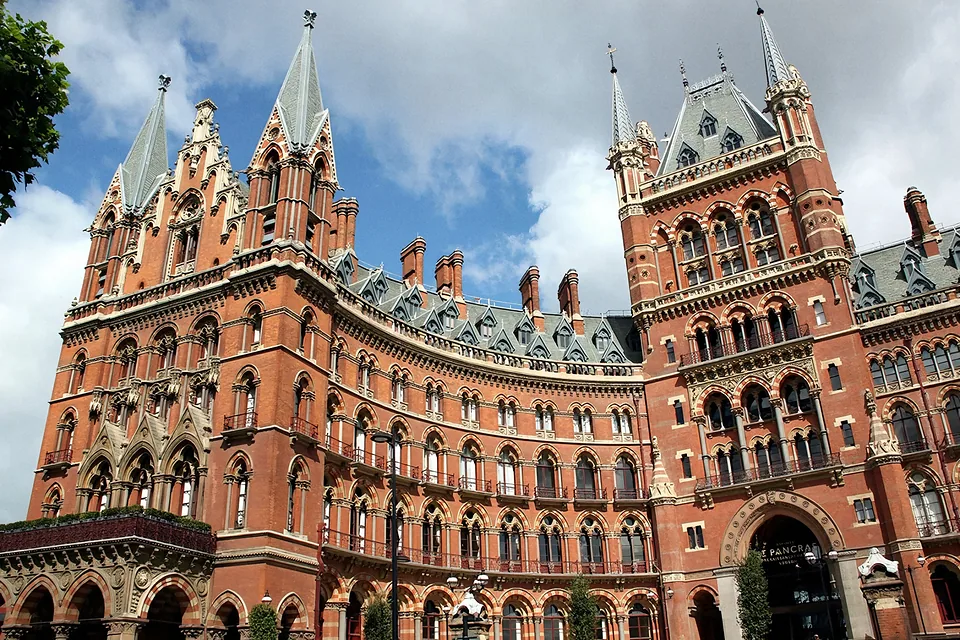
St Pancras Hotel
Traditional and modern plastering finishes applied to enhance the Victorian character of the building, complementing the hotel's luxurious design.

25 Moorgate
Traditional and modern plastering techniques applied throughout the building to create smooth, high-quality finishes.
Common questions
When does machine plastering make sense?
On large, repetitive areas where speed and consistency matter. Hand work still suits detail and awkward areas.
Do you work with lime?
Yes. Holbein Place combined traditional lime and modern plaster finishes.
Would dry lining be better here?
Sometimes. Our guide compares dry lining and wet plaster on programme, finish and performance.
Why does new plaster crack, and is it a problem?
Fine hairline cracks are common as plaster dries and the building settles, and they are usually cosmetic. They can be filled and decorated over. Wider or recurring cracks can point to movement or a background issue, so it is worth having them inspected before redecorating.
Often delivered with
 Service
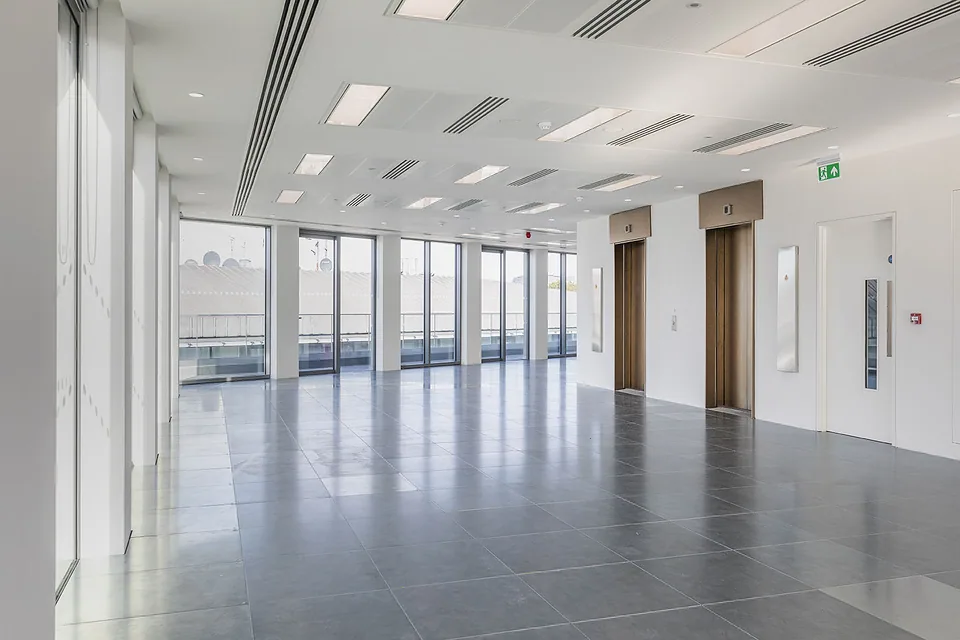
Dry Lining
Walls, linings and ceilings for every sector.
 Service
Tape and Jointing
Decoration-ready plasterboard finishes.
 Guide
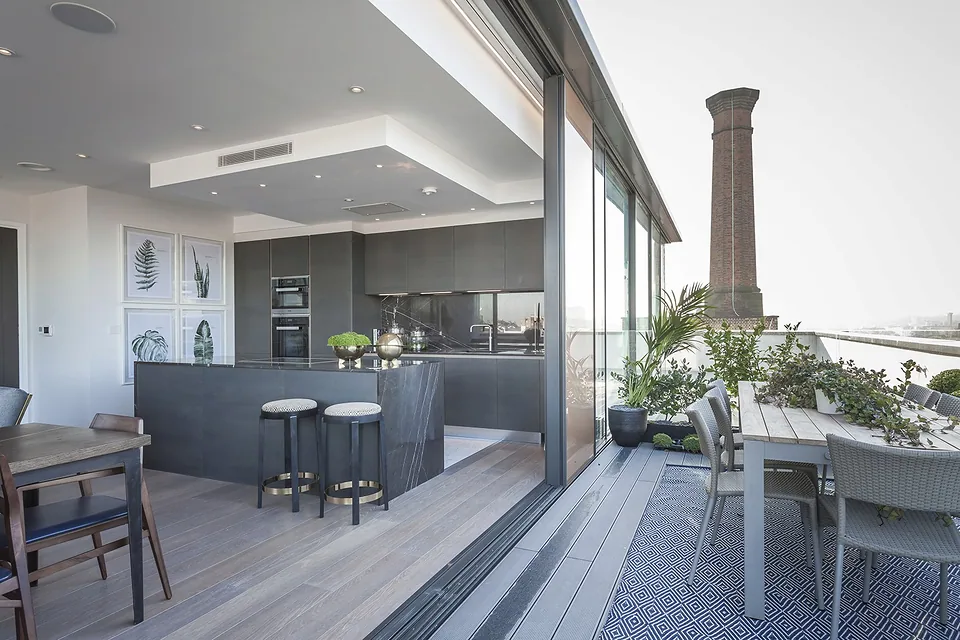
Dry Lining or Wet Plaster: How to Choose
The choice between direct bond dry lining and wet plaster turns on the background, the specified build-up and how much drying the programme can absorb.