Heritage & Refurbishments
New finishes inside buildings worth keeping
From new build construction through to the requirements of listed refurbishment works.
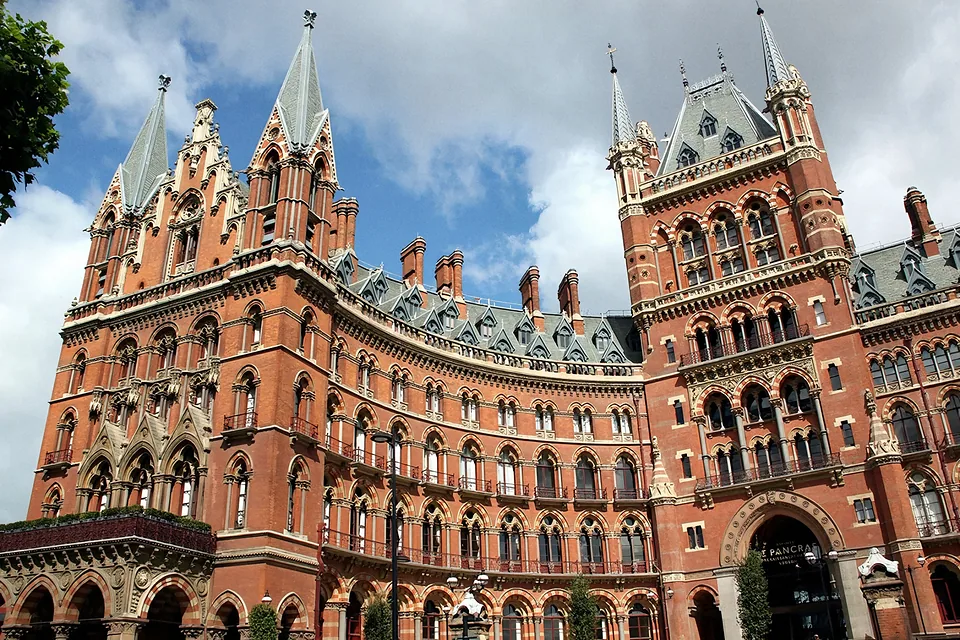
St Pancras needed 5-star interiors inside a Victorian landmark. Watts Gallery in Guildford is Grade II* listed, and its layouts had to preserve the building while the galleries were renovated.
Work like this leaves less room for assumption, so we plan around what the building will allow.
Typical scope
- Dry lining inside existing structures
- Traditional and modern plastering
- Lime finishes
- Partitioning within listed layouts
- Ceilings around original features
- Full refurbishments
What we plan around
The fabric
Historic features stay protected while the interior is brought up to today's standards.
The finish
Traditional and modern methods can sit side by side where the building needs both.
Where we have done it
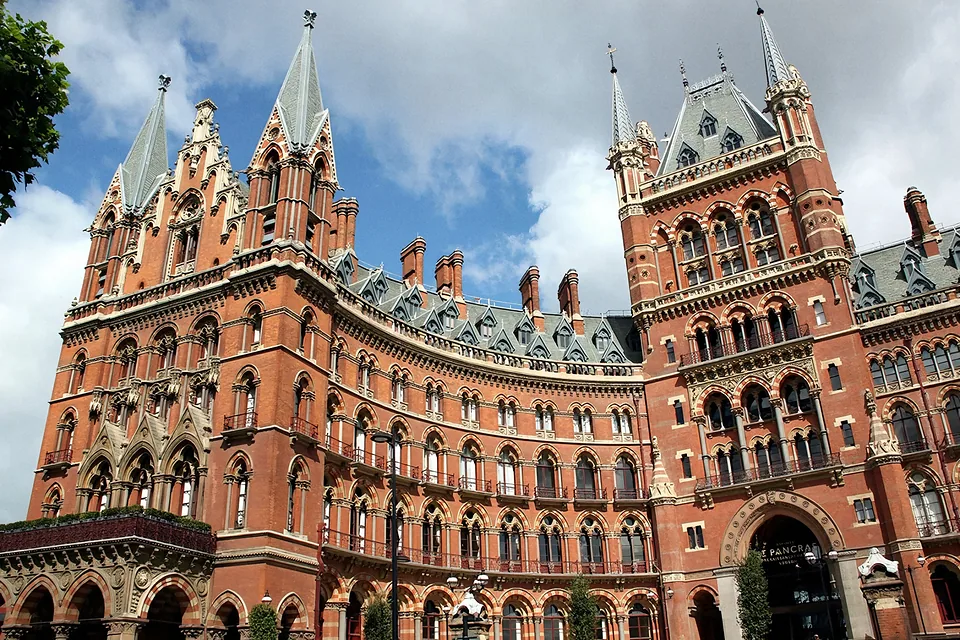
St Pancras Hotel
The St Pancras Renaissance Hotel, located in the iconic St Pancras Station in London, is a historic landmark transformed into a modern 5-star hotel.
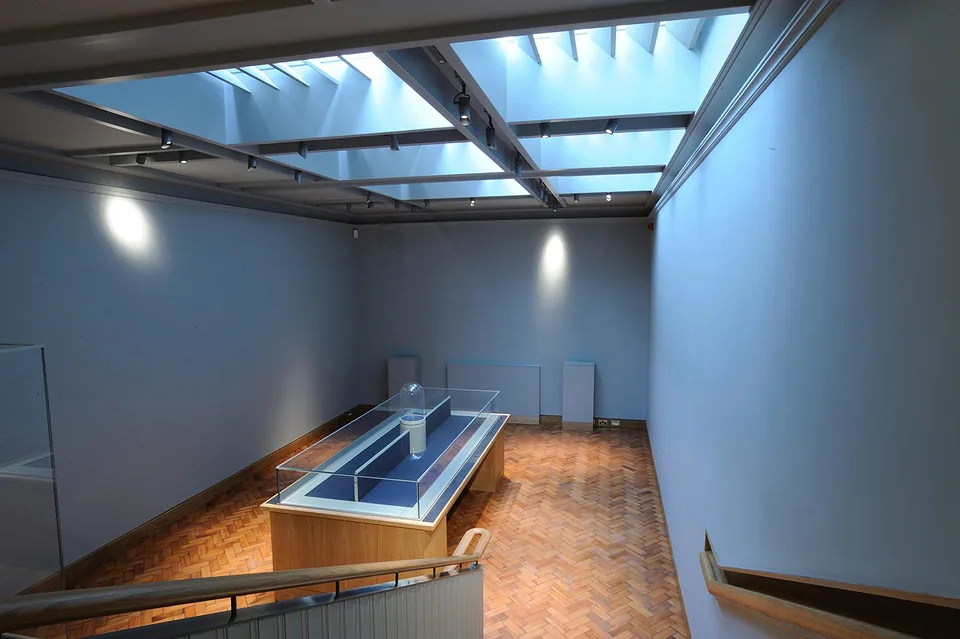
Watts Gallery Guildford
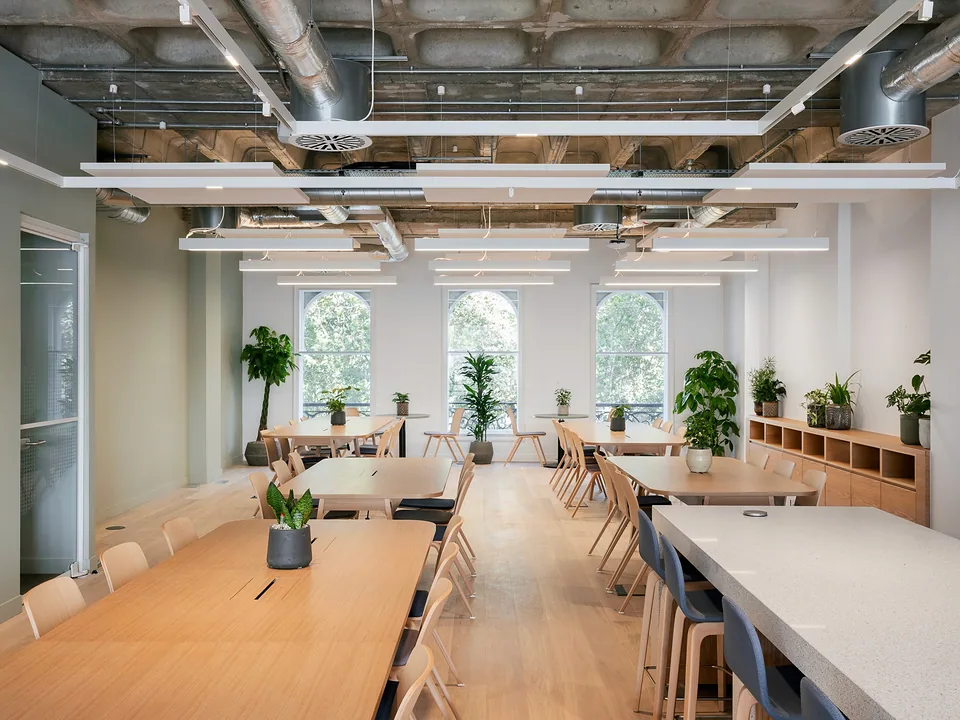
Watts Gallery, located in Guildford, is a Grade II* listed building and an important cultural heritage site.
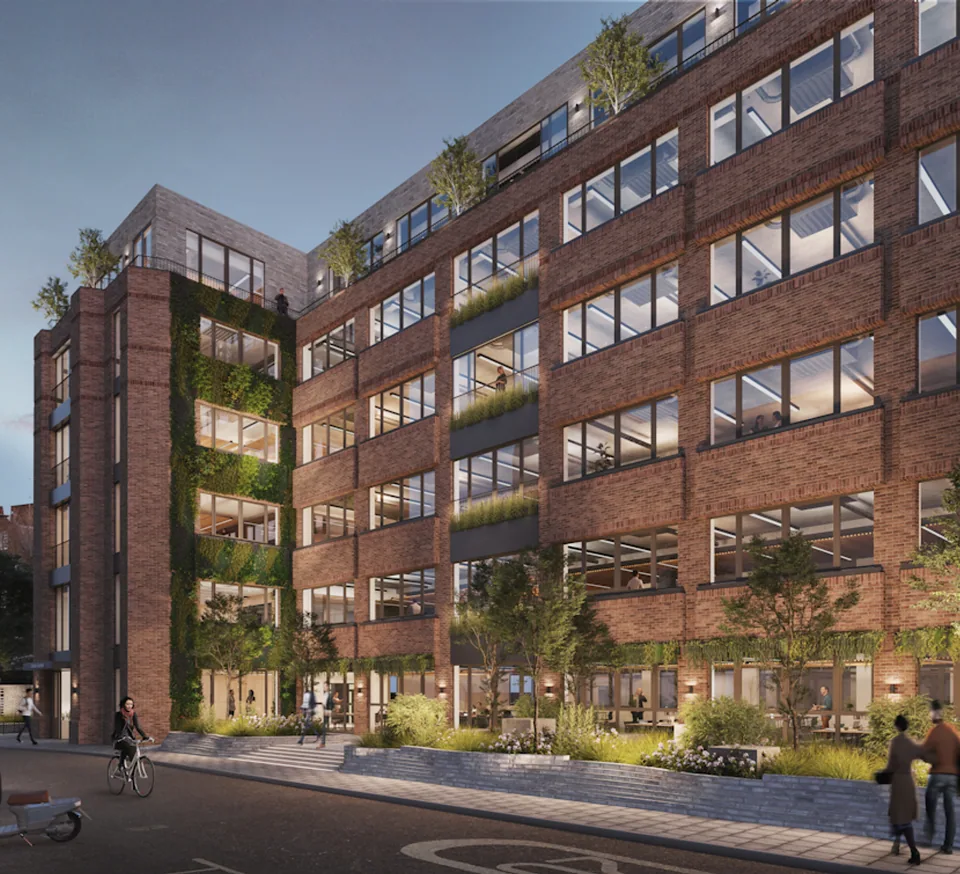
Holbein Place
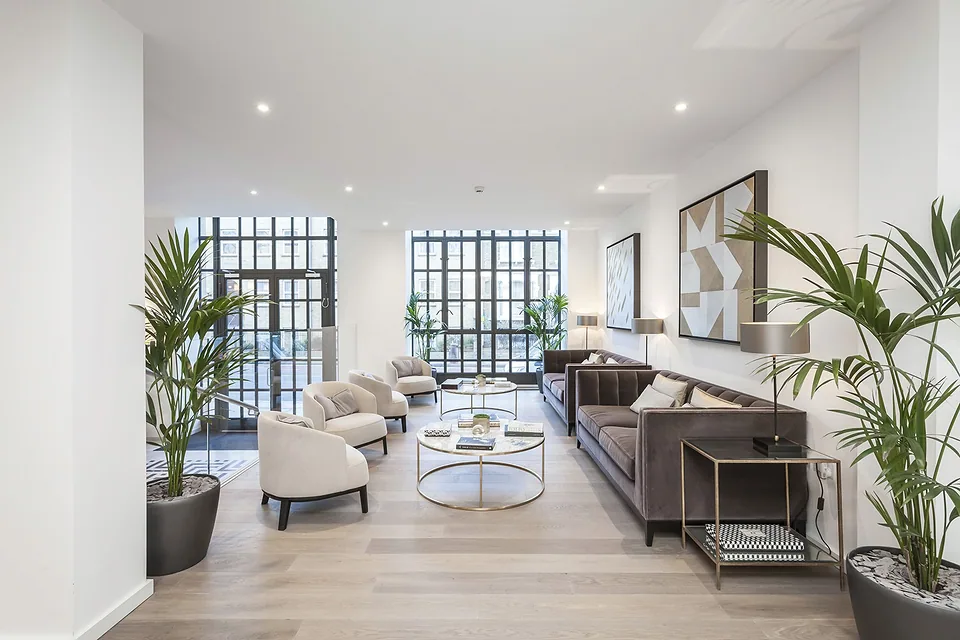
Holbein Place is a high-end residential development located in the heart of London.
Common questions
Do you work on listed buildings?
Yes. Our portfolio runs from new build through to the requirements of listed refurbishment works.
Can traditional and modern finishes be used together?
Yes. Holbein Place used traditional lime and modern plaster finishes in one project.
Do you take on full refurbishments?
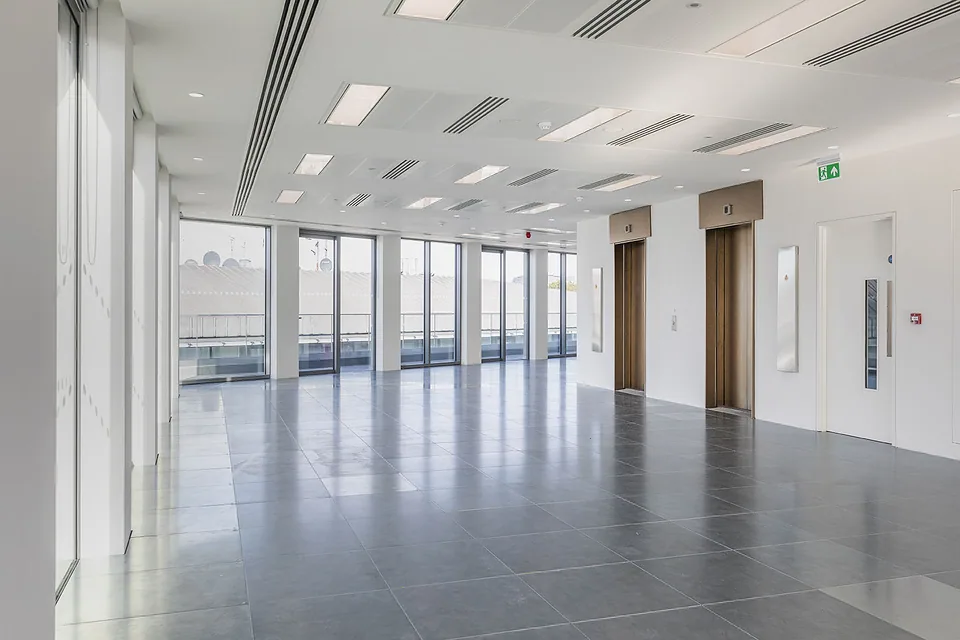
Yes. Kao One and Two in Harlow was a complete refurbishment of buildings into a new business park.
What does heritage refurbishment work involve?
Heritage refurbishment covers the careful repair and upgrade of older buildings. Typical work includes lime plastering, traditional renders, matching existing mouldings and finishes, and sensitively integrating modern services. The aim is to bring a building up to modern standards while protecting its original character and fabric.
Why is lime plaster used instead of modern gypsum plaster in older buildings?
Older solid-wall buildings need to breathe. Lime plaster allows moisture to pass through and evaporate, while modern gypsum plaster can trap damp against the wall and cause decay. Using lime keeps the building performing as it was designed to, which protects both the structure and the finish.
Is it better to refurbish an old building or demolish and rebuild?
Refurbishment is often the more practical route. It retains the character and embodied value of the existing structure, can be quicker than demolition and rebuild, and is usually easier to gain approval for on older or protected buildings. Where the structure is sound, refurbishment tends to be the sensible choice.